
Science you can trust. Impact you can see.
What is Balance?
Balance takes a three-pillar approach: biodiversity, social economics and climate. Each depends on the others. Biodiversity needs permanence to last. Permanence needs strong local economies to protect it. And carbon removal only lasts if the biodiversity it relies on is permanent.
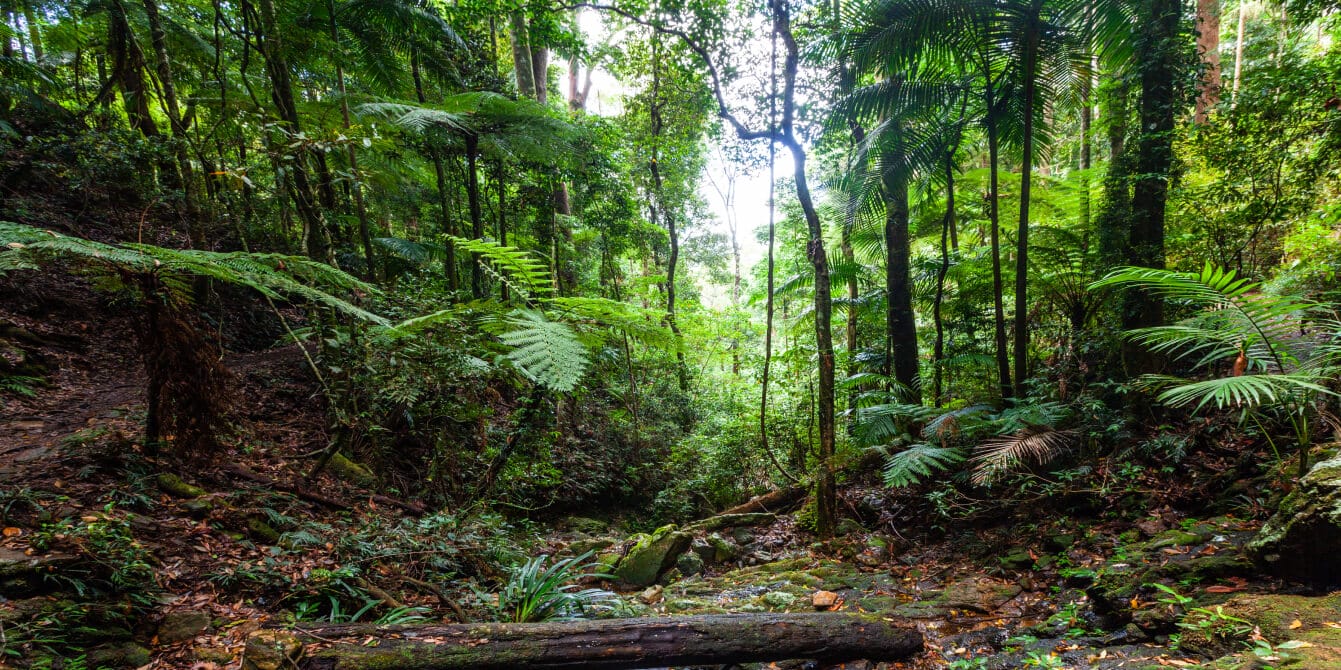
Creating biodiversity: native forests, the right trees in the right places, protected for 100 years.
Social economics: income and jobs for local communities, with their sign-off at years one, three and five.
Fighting climate breakdown: carbon removed from the atmosphere.
The result is resilience, both for your supply chain and for your customers.
Efficiency, reduction, then Balance. First make your operations efficient. Then reduce what you can. Then Balance the rest.
Plant and protect. We plant new forests and protect them for 100 years. This is what we mean by beyond offset.
The Balance® Methodology: beyond offset
Each of the three pillars is built into the methodology. In practice that means funding and maintaining forest ecosystems that nurture wildlife, provide local jobs and lock away carbon as the forests thrive.
Balance is a peer-reviewed and published methodology, not a standard, with a legal framework that creates Balance Units. It was developed by Balance’s team of experts with our academic partners and published after extensive peer review in the International Journal of Sustainable Energy. It is open source, and the activist, NGO and scientific communities are involved in how it evolves.
Balance builds on existing standards rather than competing with them, and is fully interoperable with the systems already in use. Our six-point methodology upgrades the carbon credit you were already going to buy into a Balance Unit. The unit is retired at S&P Global on purchase, so it cannot be double counted or sold on.
Balance Academic Partners
Expanded research being carried out based on the original Balance methodology, up to and including PhD level.






Our peer-reviewed methodology
Balance projects are powered by a peer-reviewed methodology designed to last 100 years, the true minimum life-cycle of CO₂. Efficiency, reduction, then Balance. Balance® reimagines your relationship with nature. Read our methodology, published in the International Journal of Sustainable Energy.
The six-point legal framework
Permanence
- Plant and protect: establishing natural forest cover with 100-year protection, the true minimum life-cycle of CO₂.
- Aligned with the atmosphere’s 100-year radiative forcing cycle of CO₂.
- Trees are allowed to complete their natural life cycle, including the creation of deadwood, to optimise biodiversity and further carbon sequestration.
Biodiversity
- Prioritising native tree species and local genetic stock: the right trees in the right places, based on the land’s history.
- Planting only on previously forested land, avoiding non-forest ecosystems.
- Considering soil type and organic matter to optimise carbon sequestration.
- Creating varied stands with genetic diversity and a healthy understorey, managed to enhance biodiversity.
- Reducing ecosystem risks from pests, diseases and invasive species.
Community
- Upholding human rights as a core component of the Balance methodology.
- Ensuring climate action aligns with human rights obligations, protecting the right to food, water, and a healthy environment.
- Community sign-off at year one, year three and year five, from a minimum of 15 people in the local community.
- Encouraging permaculture, agroforestry and beekeeping to give communities further income.
- Engaging directly with local community leaders to support forest-based education programmes, mental health, and ecosystem services jobs, wherever possible. At least 40% of finance goes to local communities where they are present, and 100% where the community is the developer.
Monitoring
- Customers, clients and the public can visit the forests they have helped to create.
- Planting partners must provide ongoing reporting on biodiversity creation and social economics in the local community.
- Clients are kept informed so they can share updates with stakeholders and customers and build a movement.
Additionality
- Without funding, the trees cannot be planted. All Balance planting is new and additional, beyond what would have happened without Balance.
- We work with established standards. UK projects follow the Woodland Carbon Code (WCC) additionality protocols, and international projects follow international standards such as Plan Vivo, Gold Standard or Verra. As a methodology, not a standard, any carbon standard can go through Balance.
Force majeure
- Reversals from fire, flood or disease are already provided for within the carbon credit.
- Our contracts protect against unforeseen events such as widespread plant disease, road or building construction, compulsory purchase or severe natural disaster. If one happens, the planting partner must replant at their own cost.
- We are building a buffer stock as we grow.
- Clients can also take out warranty and indemnity (W&I) cover through our relationship with Holden Insurance.
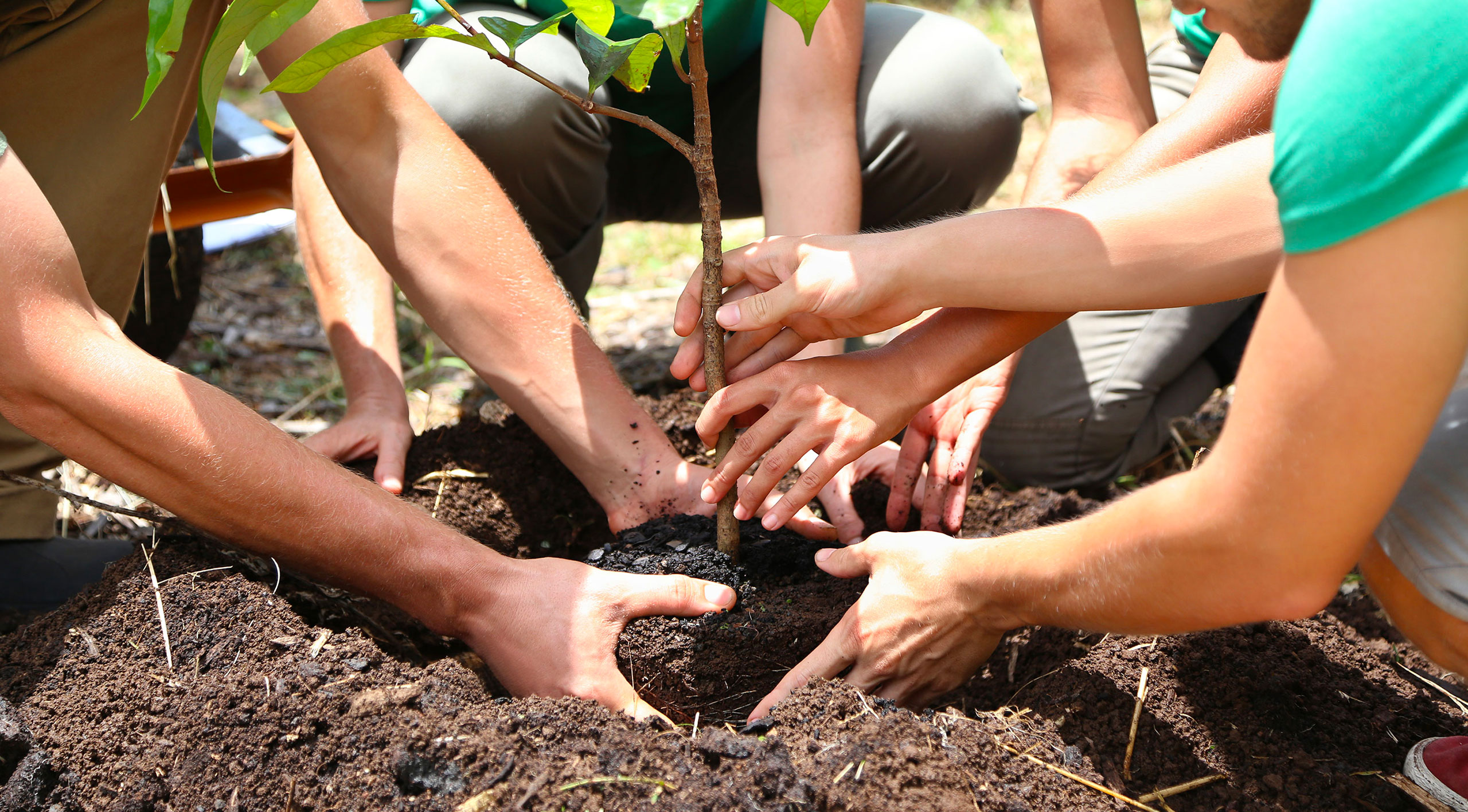
Planting partners empowering communities
Balance works with landowners, conservationists and local communities who meet the highest standards of biodiversity protection and social impact. Together we plant and protect, restore ecosystems, support sustainable livelihoods and create environments that sustain people as well as nature.
We work with long-term stewards who create biodiversity and social economic wellbeing, and who draw down carbon using the most effective parts of the old system. This means the science behind Balance delivers verified results and also thriving, self-sustaining landscapes for generations to come.
These partnerships make Balance’s scientific rigour real, embedding lasting stewardship within the communities that depend on these ecosystems.
Get Balanced: plant and protect now
Efficiency, reduction, then Balance. Once you have made your efficiencies and reductions, turn the impact that remains into Balance Units quickly and credibly with our calculators. Whether you are a large corporation, an SME or an individual, you can act fast and lead by example. Calculate your carbon impact and buy Balance Units to show the world what real nature restoration and climate action look like.
For SMEs – Balance to Sector calculator. Uses your sector’s carbon total and your business turnover to estimate your carbon impact instantly. It saves you thousands in assessment fees.
For corporations – Balance to Assessment. If you know your impact, we can work with you to Balance your Scope 1, 2 and 3 impact.
For individuals – Balance My Life. No receipts, no hassle. Our easy-to-use calculator saves you hours and helps you fund nature restoration, create jobs for local people and fight climate breakdown by removing carbon.
FAQs
What is a Balance Unit?
A Balance Unit brings three things together: new native forest, income for local communities, and carbon removal verified under an existing standard as the forest grows. Each one is linked to a carbon credit from a recognised standard (Verra, Gold Standard, Plan Vivo or the Woodland Carbon Code), which is retired on the S&P Global Environmental Registry. The project signs a legally binding Balance contract: protection for a minimum of 100 years, at least 40% of finance to local communities where they are present, replanting after damage, and annual biodiversity and socioeconomic reports. Every Balance Unit also funds an Extra Tree in an area you choose.
What is the science behind Balance?
Balance carbon quantities are based on the carbon sequestered per hectare, as verified by the underlying standard. For an in-depth read, see our peer-reviewed methodology.
Why does biodiversity matter?
Our three-pillar approach restores nature, creates sustainable income for local communities and fights climate breakdown by removing carbon.
Biodiversity is not a luxury. Plants, animals and fungi do not exist in isolation but in complex and connected ecosystems that form the foundations of human life.
A healthy ecosystem performs vital roles, including preserving climate, cleaning water, maintaining soil, purifying air, recycling nutrients and creating habitats. A biodiverse ecosystem is also resilient and a good insurance against unforeseen environmental events resulting from climate change. When one part is lost the whole system is threatened, and we are losing biodiversity at unprecedented rates around the world, with around a million species now at risk of extinction.
How can my business calculate its carbon footprint?
UK SMEs can use Balance to Sector: enter your company registration number and turnover for a free estimate of your Scope 1 and 2 impact in seconds. If you already have an assessment, Balance my Business works from your existing data. If you need a full assessment including Scope 3, our partners EcoOnline and FuturePlus can help.
How is Balance different from carbon offsetting?
A Balance Unit is not an offset. It starts with a carbon credit verified by an existing standard. The project then signs a legally binding Balance contract and takes on commitments the standards don’t ask for, from 100-year protection to income for local communities. The linked credit is retired on the S&P Global Environmental Registry, so it can’t be double counted or sold on.
Why do we protect forests for 100 years?
Most carbon credits protect a project for around 40 years. Scientists measure CO₂’s warming impact over a 100-year horizon, so Balance projects are protected by contract for a minimum of 100 years. Our forests are designed to last far longer: the Forest of Marston Vale has an 840-year lease.
What is the Extra Tree?
For every Balance Unit, we plant an Extra Tree with a partner such as a Community Forest, in an area you choose. It isn’t part of a carbon project, so it can go where it matters most to you, near your customers or along wildlife corridors near towns, and it funds planting that carbon finance wouldn’t otherwise reach.
What do I do if I have further questions?
Some of this can get quite complex, so please contact us if you would like to discuss any of it further, and we welcome suggestions and feedback.